You share one part of the story.
Bring a moment, character, place, feeling, image, or visual question that already matters to you.
Start with one story moment you already know.
Story Clarification is a guided starting point for authors and creators who have a story they can feel, remember, or partly see — but cannot yet see clearly enough to keep developing.
You might bring a character, a scene, a place, a feeling, or simply one image that keeps returning to you. We begin there and clarify what is already present before deciding what needs visual development next.
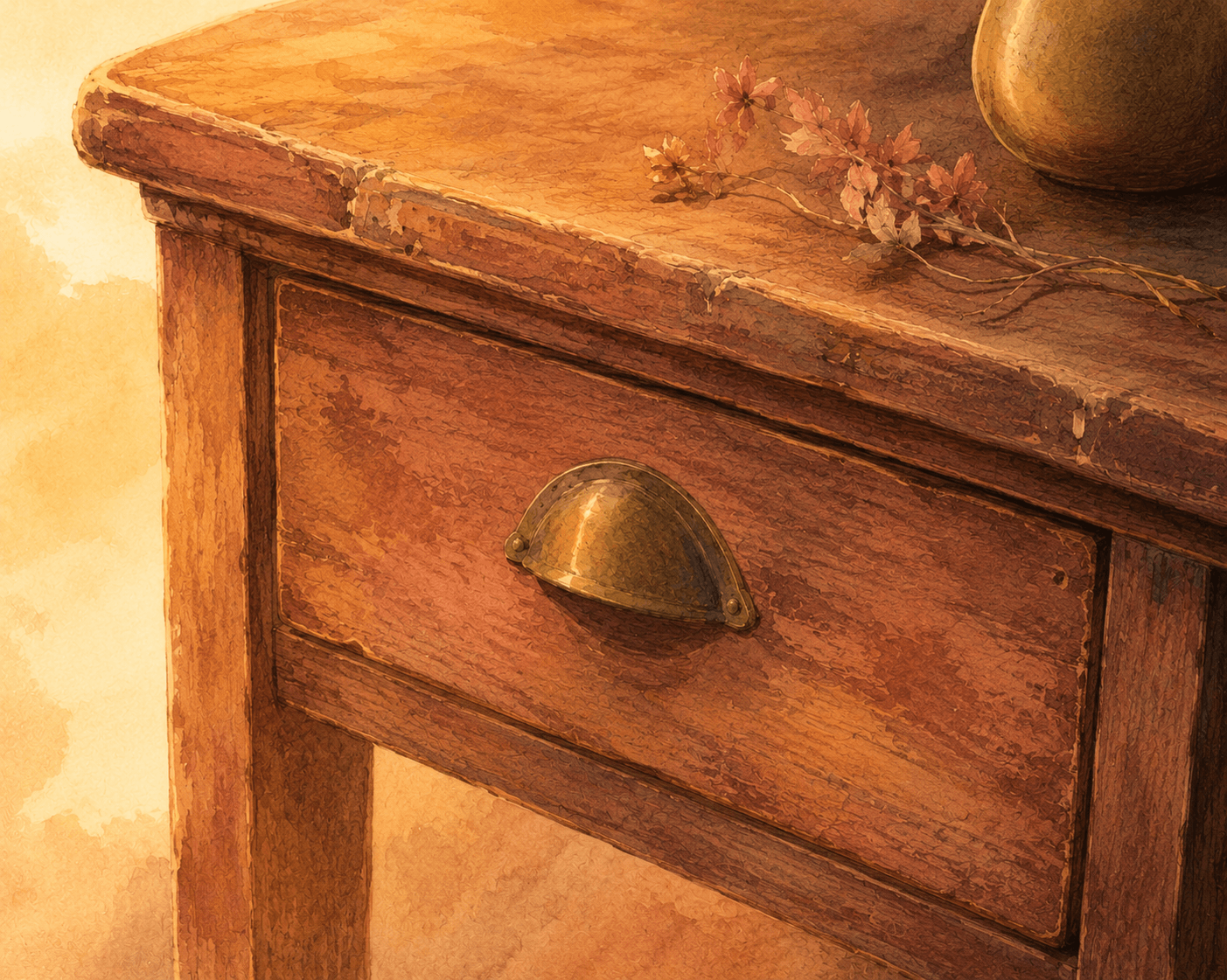
The purpose is not to make you explain everything. It is to help separate what you already know from the part that still needs to become clearer.
Bring a moment, character, place, feeling, image, or visual question that already matters to you.
Guided questions help identify what you already know and where the uncertainty actually begins.
The pieces you share begin to reveal the visual direction already present in the story.
That may lead toward a scene, character, storyworld, or another part of the story that needs development.
Less than you may think. Story Clarification is designed for the part of the process where the story is still taking shape.
The purpose of Story Clarification is to help reveal what the next useful visual question actually is.
What comes next grows from what you actually shared. The process does not assume details you have not given or try to turn one moment into an entire book before the story is ready.
The answers you provide help organize the moment, character, setting, feeling, and visual details that are already present in your story.
Instead of keeping everything in your head, you begin working with a clearer summary and visual starting point that can be questioned, refined, and developed.
What you shared may point toward scene visualization, character development, storyworld development, or another visual question that needs attention next.
If you decide to continue, the visual direction can expand from that first moment as you share more of the story.
It can capture the visual direction beginning to emerge around your story moment — such as character, setting, atmosphere, emotional tone, color, and continuity cues.
If you later want visual planning for an entire book, I need the complete story. That is when the work can expand across the full sequence of spreads and the visual direction for the book as a whole.
Nothing has to become a full-book project. A single clarified story moment can be valuable on its own.
You do not need the whole manuscript, the full cast, or every setting figured out. Bring the part that already matters to you and use Story Clarification to make the next visual question easier to see.
You do not need a finished manuscript to begin.
Lonesome Cactus Studio
Visual Story Development for Unfinished Stories
Copyright 2026©
Terms & Conditions