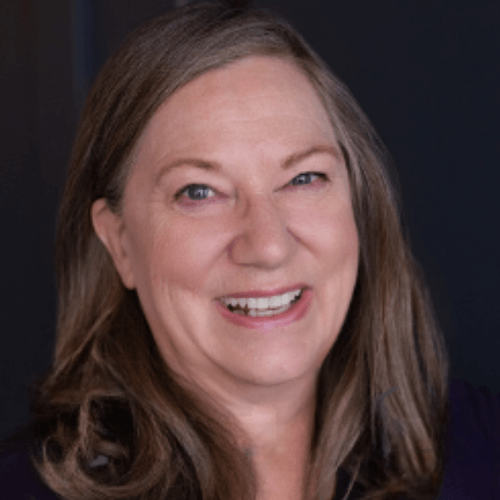
About Jo Langston

I help people see the stories they have not finished yet.

Storyworld Creator & Visual Storytelling Guide

Through Lonesome Cactus Studio, I work with authors and creators who are carrying a story they can feel but cannot quite see clearly enough to keep developing.

Sometimes the missing piece is a scene. Sometimes it is a character. Sometimes it is the world around the story. My role is to help make that part visible enough for the creator to respond to it, refine it, and move forward.

I am rooted in the Nevada high desert, and that sense of landscape, distance, light, and belonging shows up often in the way I think about visual storytelling.

Your story stays yours. I do not invent the parts that belong to you.

AI-assisted image tools are part of my visual-development workflow, but they are not the promise. The promise is human-guided visual clarity built around the story you are already carrying.

Jo Langston, Storyworld Creator and Visual Storytelling Guide at Lonesome Cactus Studio
Jo Langston · Lonesome Cactus Studio · Las Vegas, Nevada
Why This Work

Unfinished does not always mean unclear.

Sometimes the story is already there.

An author may know the feeling, the memory, the character, or the moment that matters most — but still be unable to see part of it clearly enough to continue.

That is where visual development can help. The goal is not to replace the story with new ideas. It is to make what is already present easier to see.

Clarity comes before invention.

I begin with what the creator already knows. We separate what is clear from what is still blurry, then develop visual direction around the part that needs to become more visible.

That may mean a character, a scene, a setting, an atmosphere, or an entire storyworld. The work grows from the story instead of asking the story to fit the image.

Visuals create something you can respond to.

A thought can stay vague for years. An image gives you something concrete to react to: yes, no, closer, too young, too polished, too dark, more distance, less detail.

That response is useful. It turns an internal feeling into a visible decision.

The creator remains the authority.

I can help organize, visualize, and develop what you have shared, but I do not decide who your character should become or what your story should mean.

The work stays human-guided because the creator keeps making the important decisions.

You do not need the whole story. You need the moment that still glows.
How I Work

We begin with what you already know.

You do not need a finished manuscript, a complete cast of characters, or every setting figured out before visual development can begin.

01

Clarify what you know.

We start with the story moment, character, place, feeling, or detail that is already clear.

02

Find what is still blurry.

We identify the visual question that is keeping part of the story difficult to see.

03

Develop visual direction.

We explore the visual choices that support the story without replacing it.

04

Build continuity.

Useful details begin to repeat so characters, settings, and atmosphere feel connected.

05

Move the story forward.

The goal is visual clarity that gives you something concrete to respond to and continue from.

Your story remains yours.

I do not invent characters, locations, events, or meaning that you have not given me permission to develop. My role is to help you see what you are already trying to bring into view.

A Little About Jo

I am drawn to the moment before a story becomes fully visible.

I live and work in Las Vegas, rooted in the Nevada high desert. The landscape here — wide horizons, hard light, distance, weather, quiet, and unexpected color — has shaped the way I notice visual stories.

I am especially interested in the point where someone knows there is something worth developing but cannot quite see it clearly yet. That is the space I like to work in: between the idea and the visible world.

Lonesome Cactus Studio is the creative home for that work — visual story development, storyworld building, image direction, and the systems that help an unfinished story begin to feel tangible.

What guides the work

Story first. Visuals second.

Clarity before invention.

The creator keeps authority over the story.

Technology can support the process, but it does not replace the human decisions that give the work meaning.

You do not need the whole story. You need the moment that still glows.
Start With What You Know

Is there a part of your story you still can’t see clearly?

You do not need to arrive with the whole story figured out. Bring the part you already know — a moment, a character, a place, a feeling, or a world beginning to take shape.

You do not need a finished manuscript to begin.

Lonesome Cactus Studio

Visual Story Development for Unfinished Stories


Helping authors and creators visualize scenes, characters, and storyworlds they cannot quite see clearly enough to continue.


Connect: Jo@joannelangston.com

Copyright 2026©

Terms & Conditions