Expression
The way a character looks at the world can reveal softness, caution, mischief, confidence, curiosity, or distance before they say anything.
A character can feel real long before their visual identity is clear.
Character visualization helps authors and creators identify the details that make a person, animal, or presence feel recognizable — without inventing the parts of the character that belong to the story’s creator.
Expression, posture, age, clothing, gesture, silhouette, texture, and emotional tone can all help turn an internal sense of a character into something you can actually see and respond to.
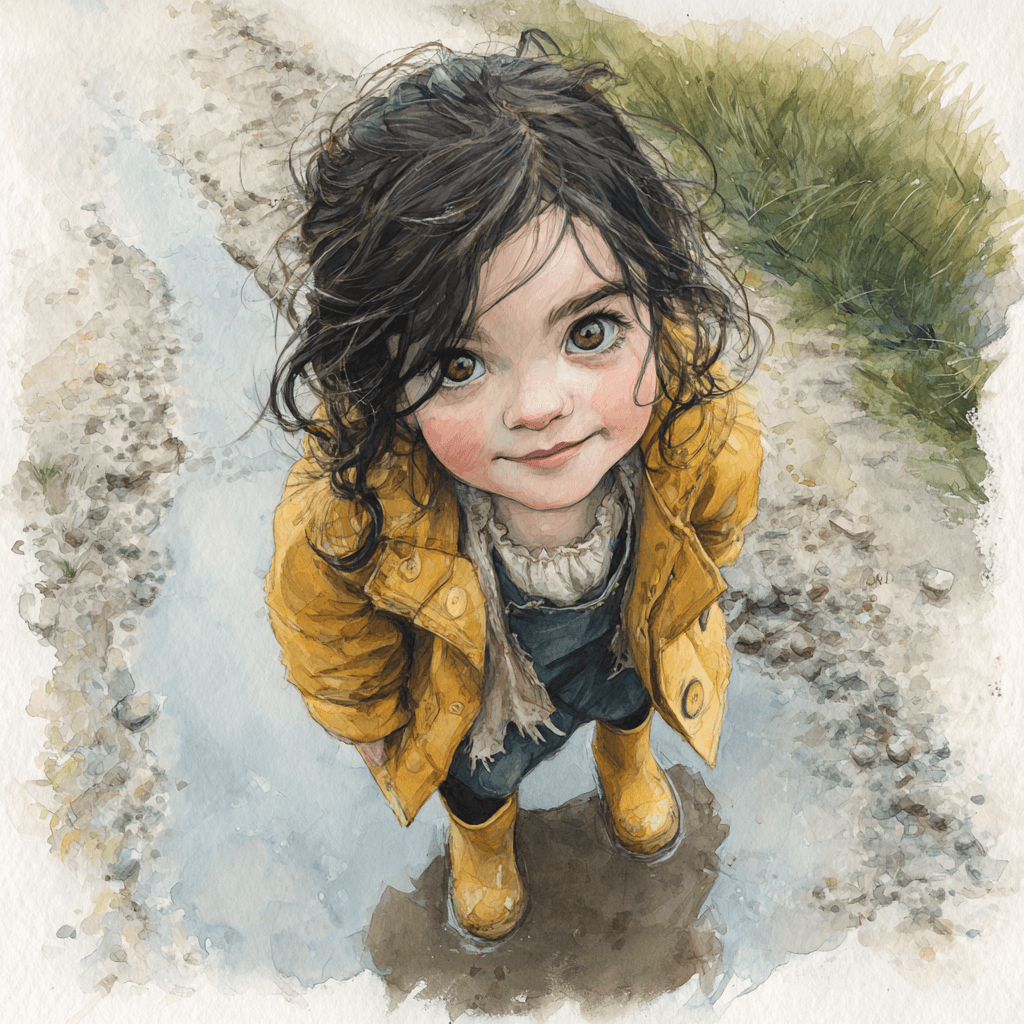
A character becomes easier to recognize when a few visual details begin to work together consistently. Those details may be obvious, subtle, or entirely different from one story to another.
The way a character looks at the world can reveal softness, caution, mischief, confidence, curiosity, or distance before they say anything.
How someone stands, sits, leans, or holds themselves can become part of their identity and emotional presence.
Age affects scale, proportion, movement, facial structure, and the way a character relates physically to the world around them.
Clothing, accessories, and recurring objects can carry history, role, personality, or practical information about the character.
A recognizable character often remains identifiable even at a distance through shape, gesture, rhythm, or the way they move.
Light, texture, color, and atmosphere can reinforce who the character feels like without changing the facts of who they are.
A character does not become memorable because every detail is defined. Often, a few visual signals are enough to make them feel specific, emotionally readable, and recognizable from one moment to the next.
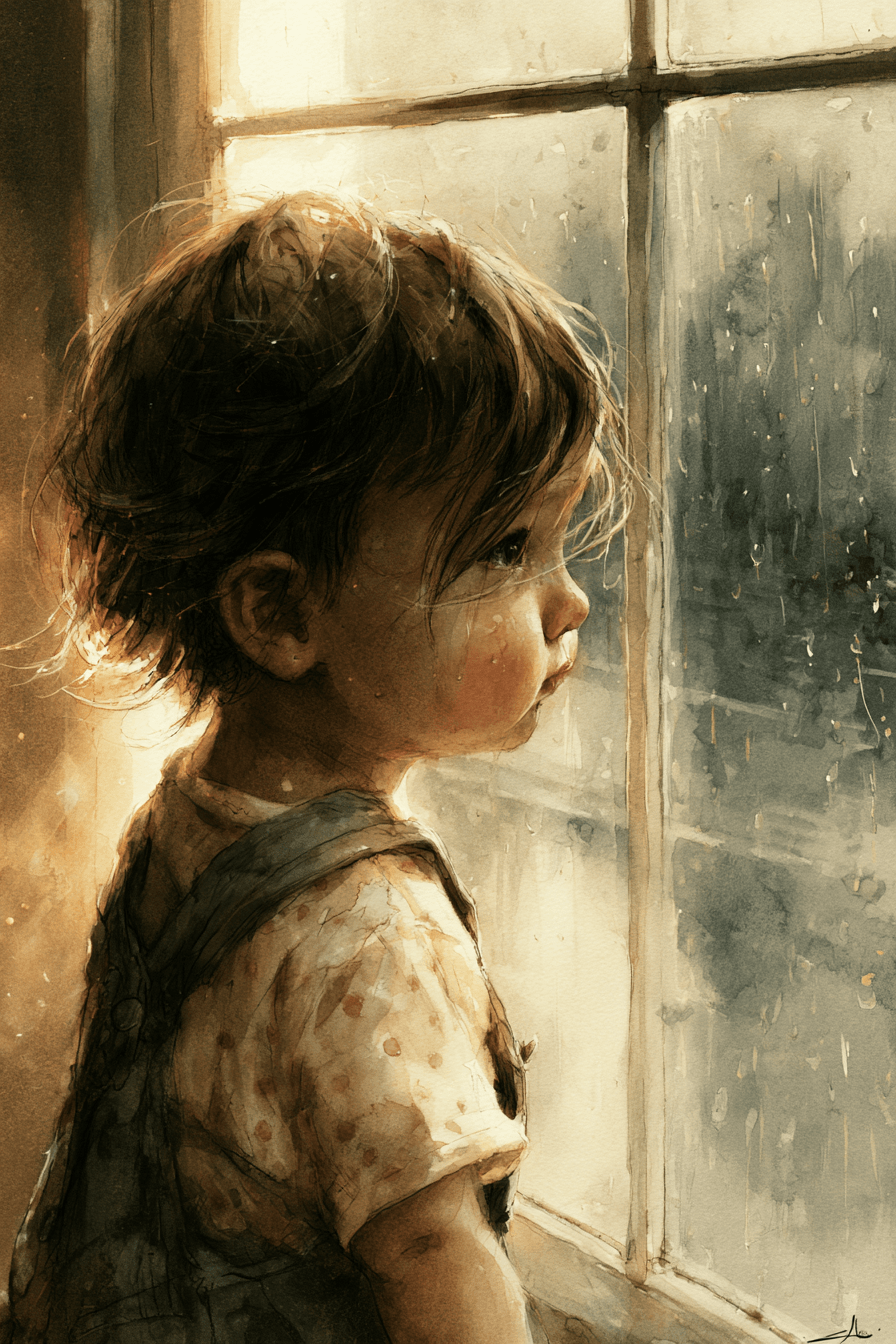
A turned face, still posture, quiet light, and the space around a character can communicate mood before the viewer ever sees a direct expression.
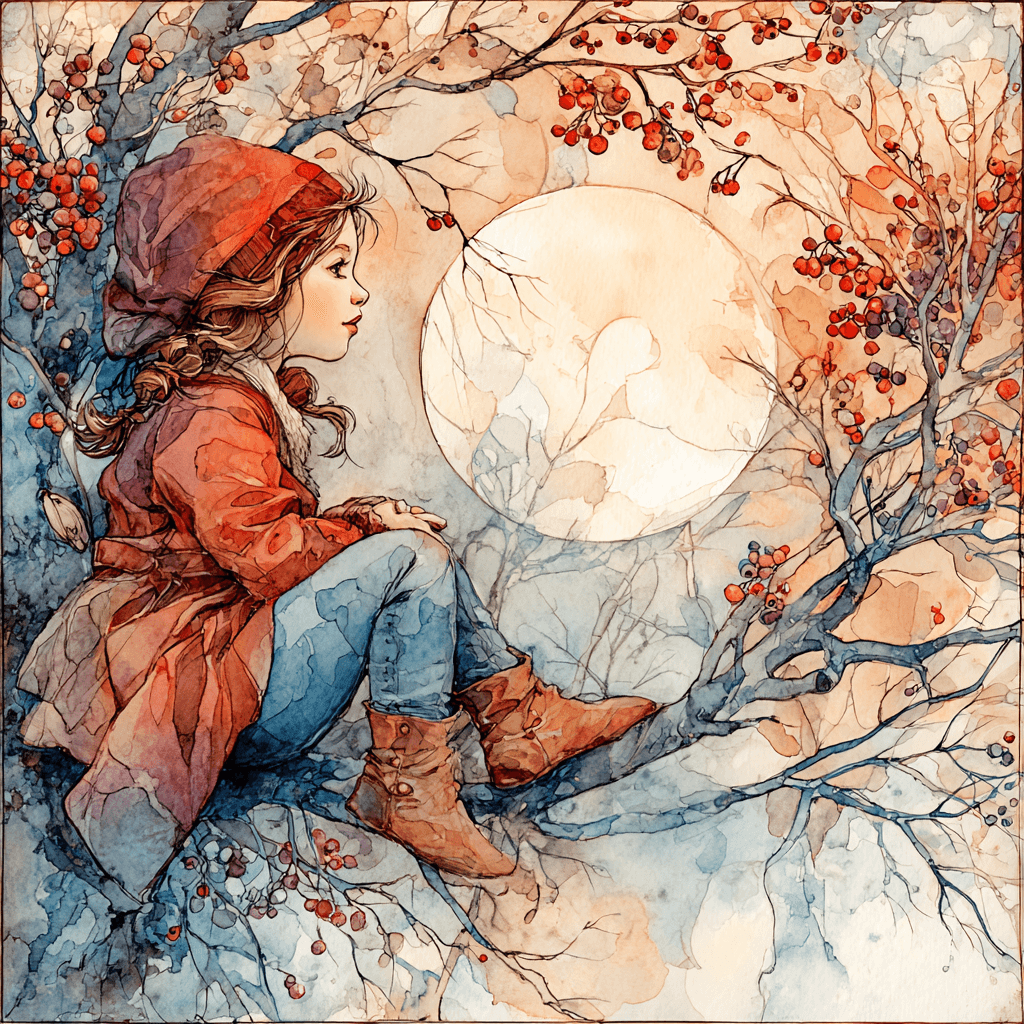
Color, clothing, silhouette, and recurring visual details can become part of a character’s identity and help carry that recognition across different scenes.
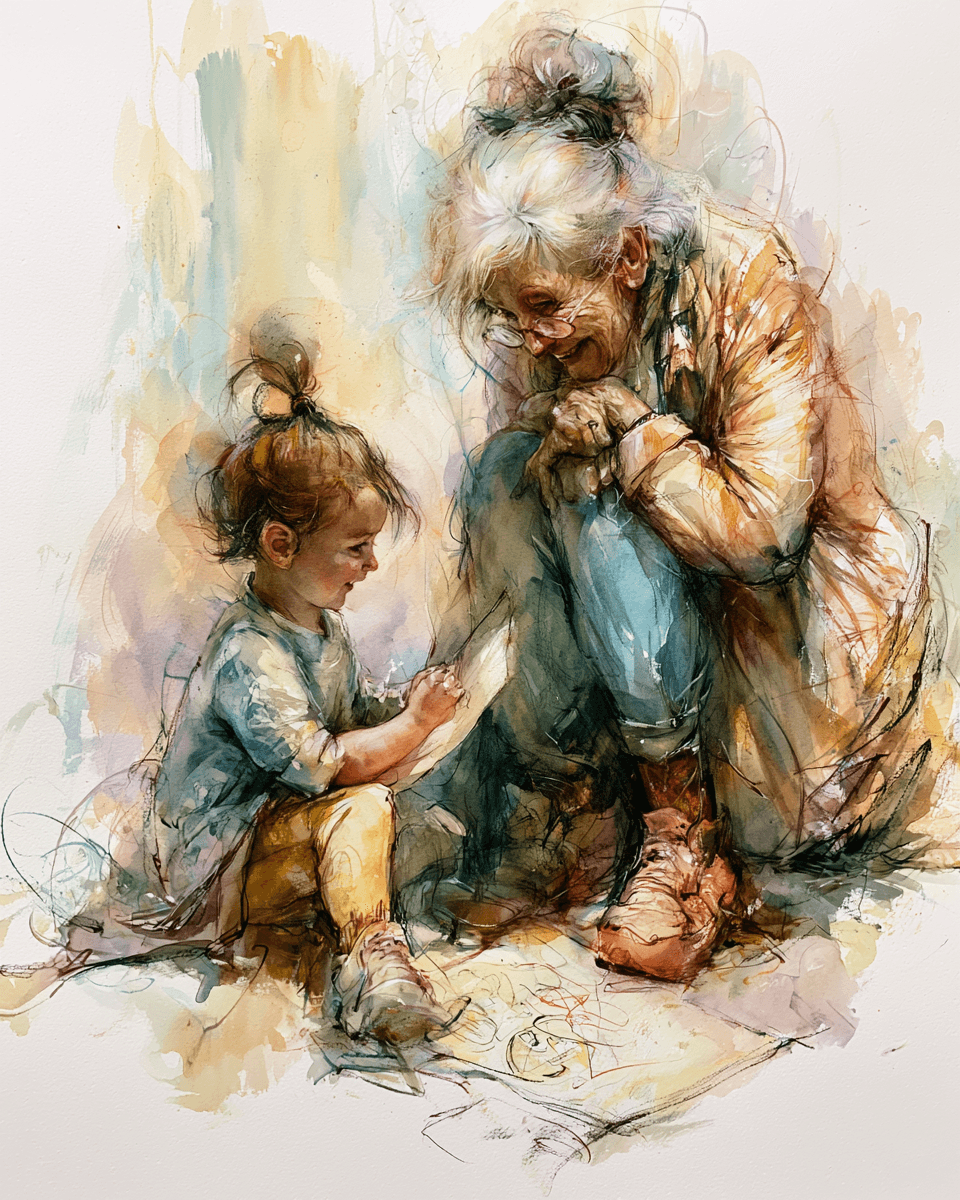
Age, gesture, body position, attention, and interaction help establish who each person is — and how they belong in relation to one another.
Character visualization helps authors and creators identify the visual details that make a person, animal, or presence feel distinct. Expression, posture, age, clothing, gesture, silhouette, texture, and emotional tone can all contribute to recognition.
The goal is not perfection. It is to begin seeing who the character is.
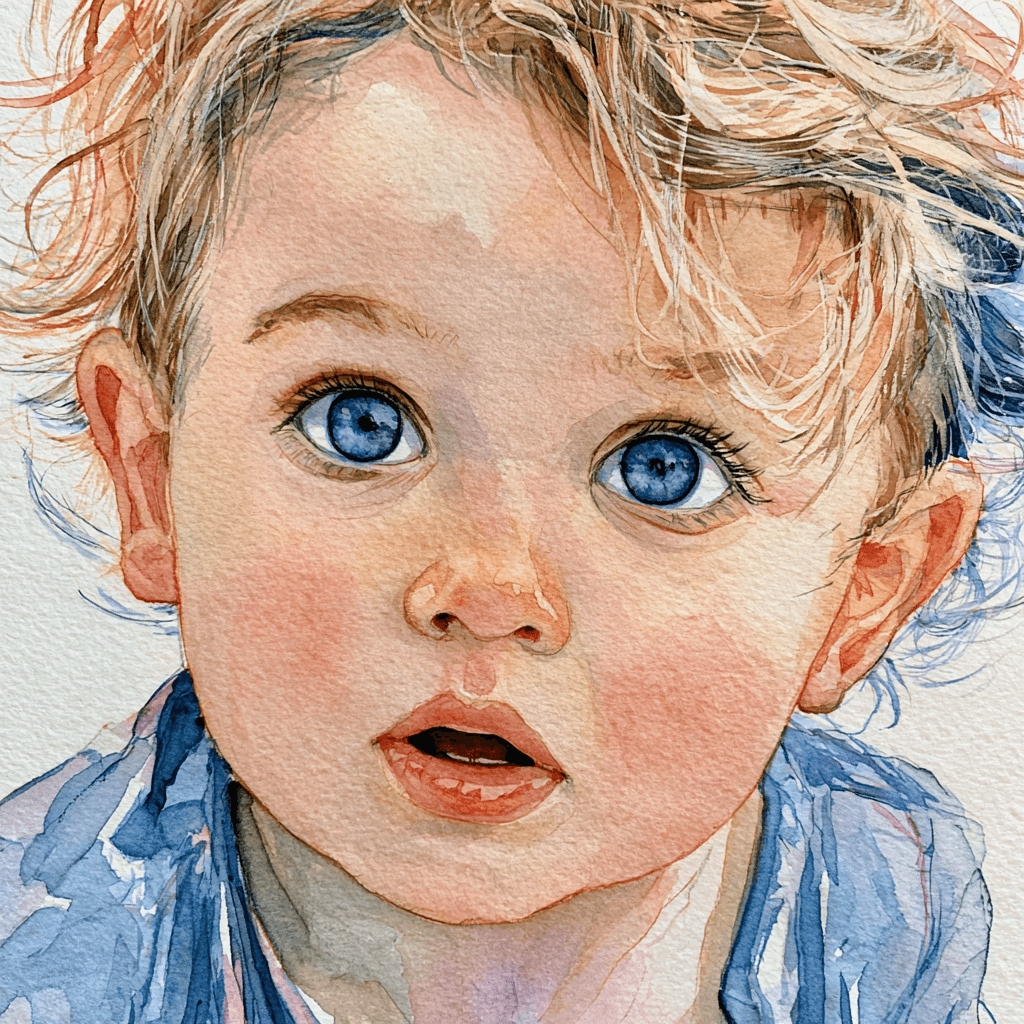
Some characters become recognizable through expression alone. Eye shape, softness, openness, and emotional immediacy can make a character feel specific before the rest of the visual system is fully developed.
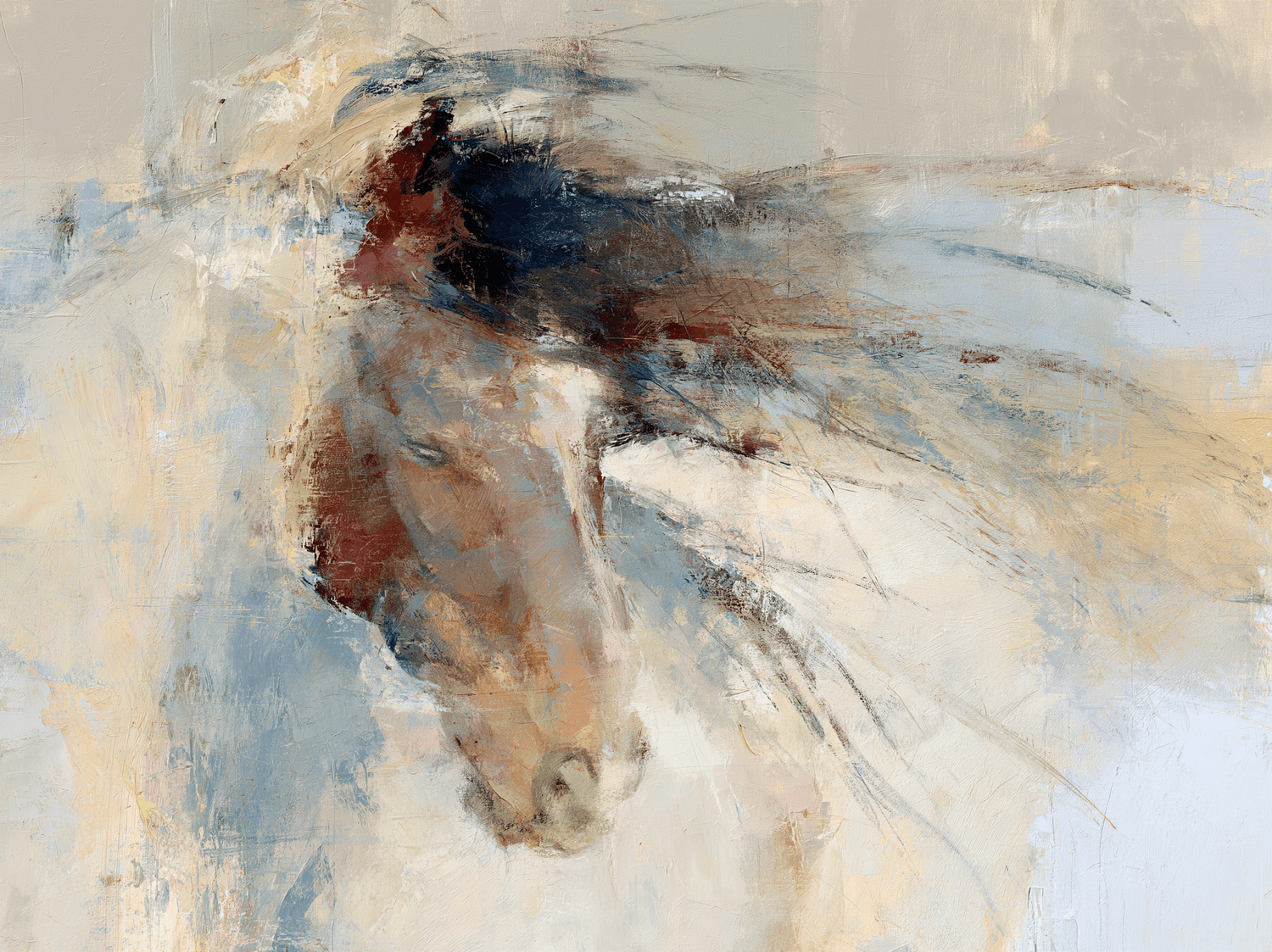
Identity can also come through silhouette, posture, texture, movement, and visual energy. Even without dialogue, clothing, or a human face, a presence can feel unmistakable.

An adult character may be recognized through gesture, styling, body direction, mood, and the relationship between the figure and the light around them.
It is about identifying the details that let the viewer recognize who the character is from one moment to the next.
Bring the part you already know — a feeling, a face, a role, a gesture, or simply a presence. We can begin there.
You do not need a finished manuscript to begin.
Lonesome Cactus Studio
Visual Story Development for Unfinished Stories
Copyright 2026©
Terms & Conditions